MVP Development Cost: What a SaaS, CRM or LMS MVP Costs
MVP Development Cost: The Honest Math
Search for what an MVP costs and you'll find ranges like "$10,000 to $500,000". That's technically true and completely useless. The number depends on two things you can actually pin down: how many hours the work takes, and whose hours they are.
This guide does that math for three MVPs we know well (a SaaS product with subscriptions, a CRM and an LMS), using published rate data instead of round numbers. Then it covers what the product costs to run once it's live, the costs founders leave out, and how to get a fixed quote you can hold a team to. Where a figure is our estimate, it's labeled as one.
TL;DR
- MVP cost = hours × rate. A focused SaaS, CRM or LMS MVP built from scratch is roughly 580 to 1,060 hours of engineering by our estimate.
- At the US median developer salary (about $65 an hour), that's $37,700 to $68,900 in salary alone.
- US agencies listed on Clutch mostly charge $50 to $149 an hour, which puts the same MVP at roughly $29,000 to $158,000. Offshore agencies at $25 to $49 an hour land around $14,500 to $52,000.
- Starting from an existing codebase cuts the build to the parts that are unique to your product, often 160 to 240 hours.
- Running costs are small at first: about $65 a month for hosting, database and email on paid plans, plus payment fees.
- The real risk is scope, not rate. A fixed quote tied to written acceptance criteria protects you more than a cheap hourly rate.
Where the Hours Go
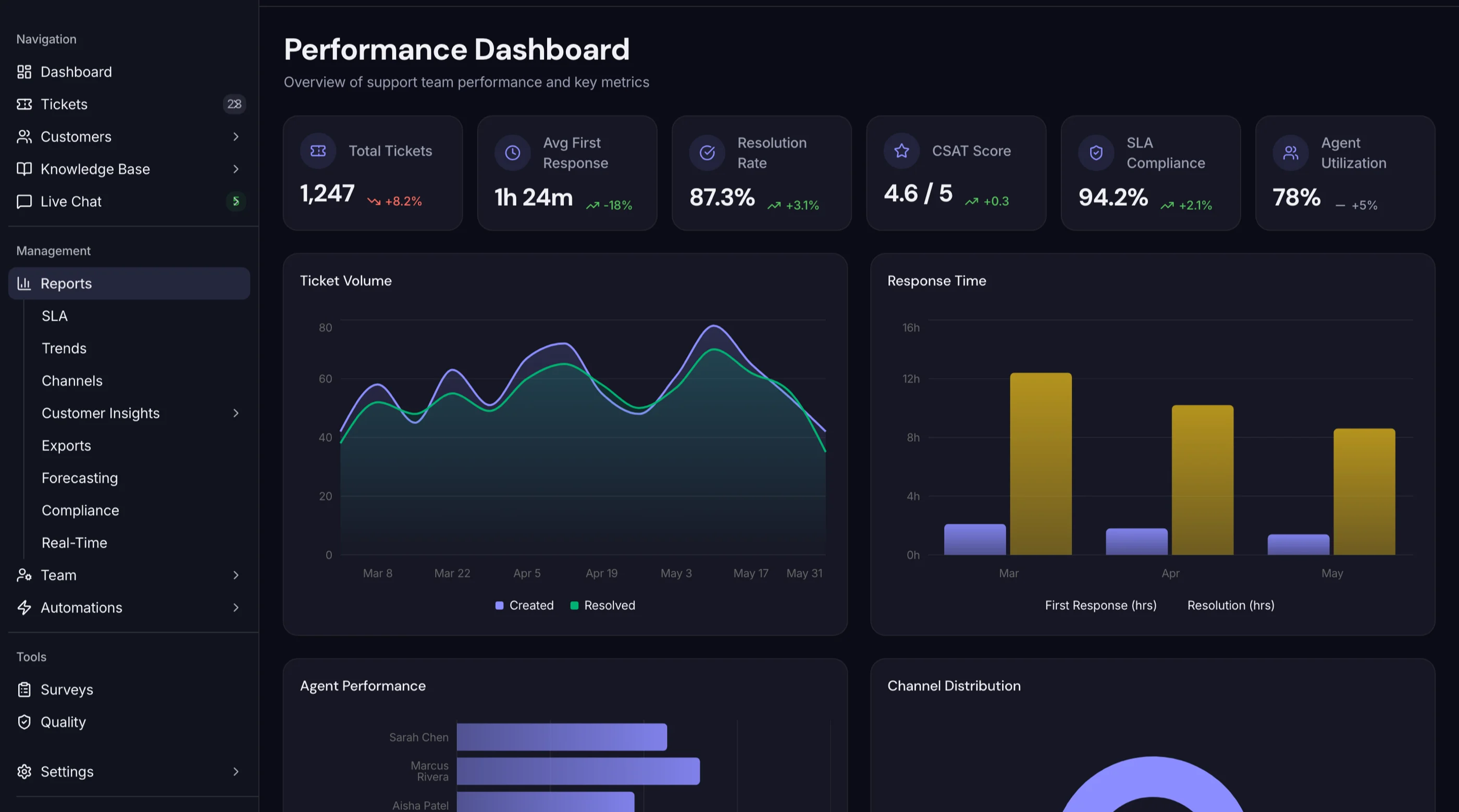
An MVP isn't only your core feature. Every product that charges money needs the same foundation, and that foundation is where first-time founders underestimate most. Here's how the hours break down for a typical SaaS MVP, by our estimate:
| Piece | Hours (our estimate) | What's in it |
|---|---|---|
| Auth, roles and account settings | 80 to 120 | Sign-up, login, password reset, team invites, permissions |
| App shell and design system | 60 to 100 | Navigation, layouts, forms, tables, empty and error states |
| Subscription billing | 80 to 160 | Checkout, webhooks, plan limits, failed payments, invoices |
| Your core feature set | 240 to 480 | The part customers actually pay for |
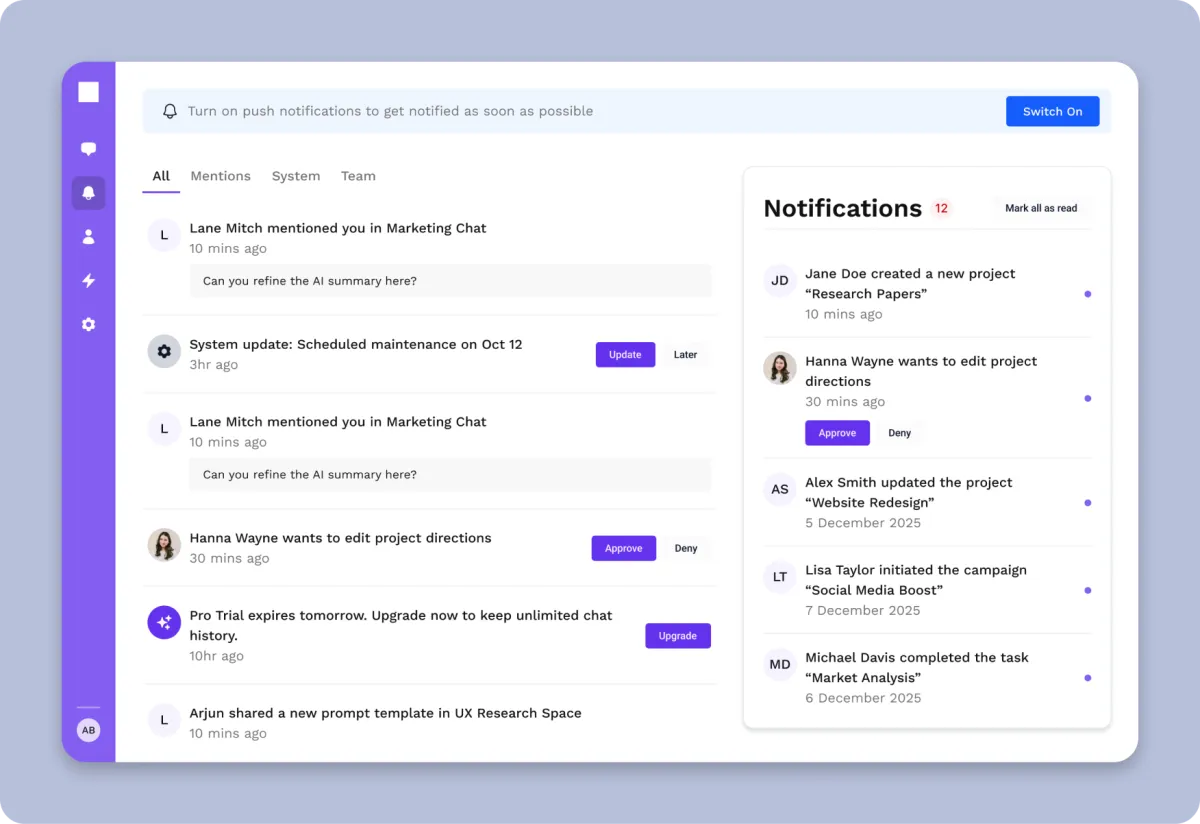
| Admin panel and email notifications | 60 to 100 | Managing users, transactional emails |
| QA, accessibility and deployment | 60 to 100 | Testing, keyboard and screen reader checks, production setup |
| Total | 580 to 1,060 |
For comparison, Codica, a development agency that ranks for this topic, puts the MVP stage at 500 to 1,100 hours, and NUS Technology estimates billing alone at 2 to 4 weeks. Neither cites outside data, but the ranges line up.
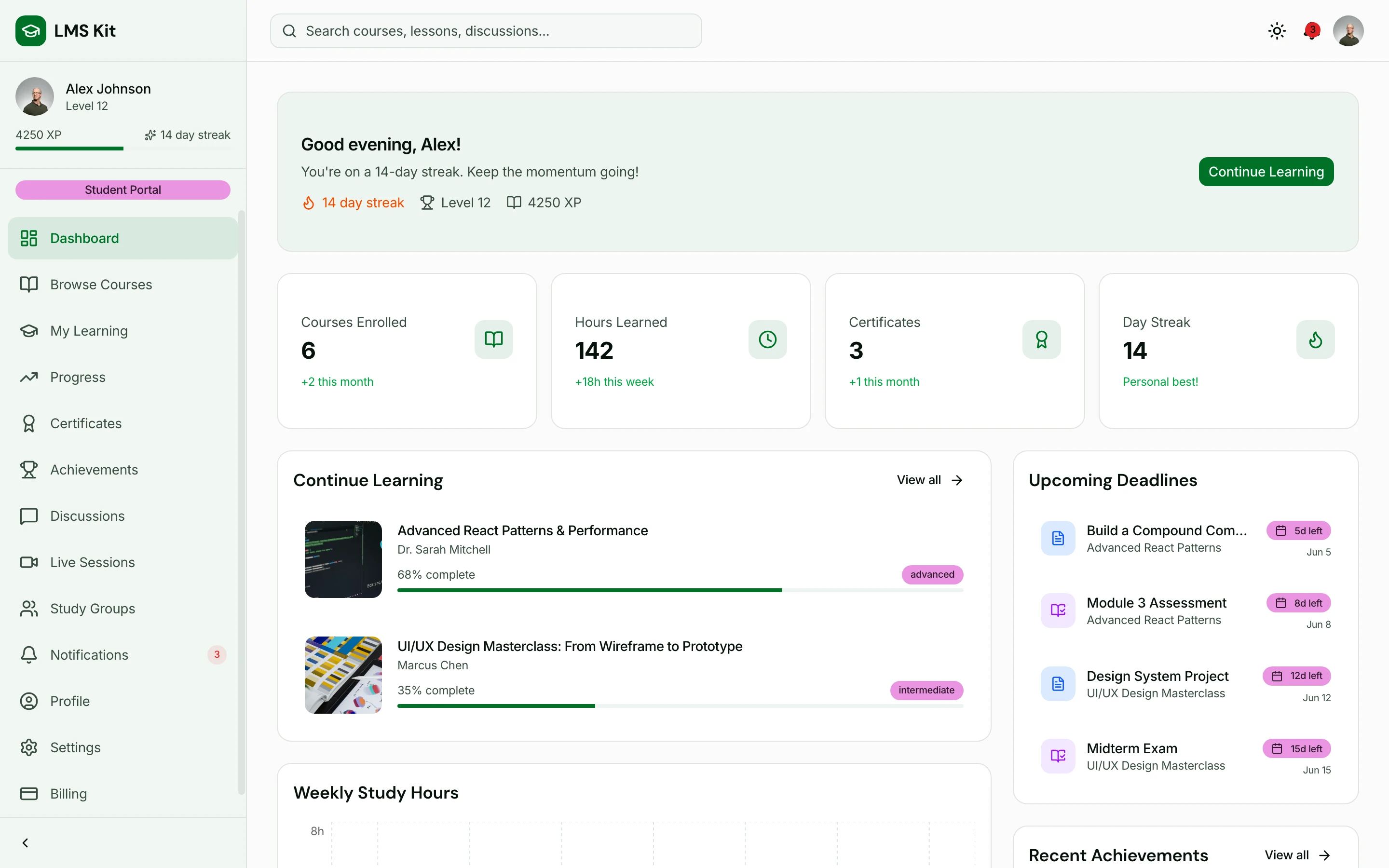
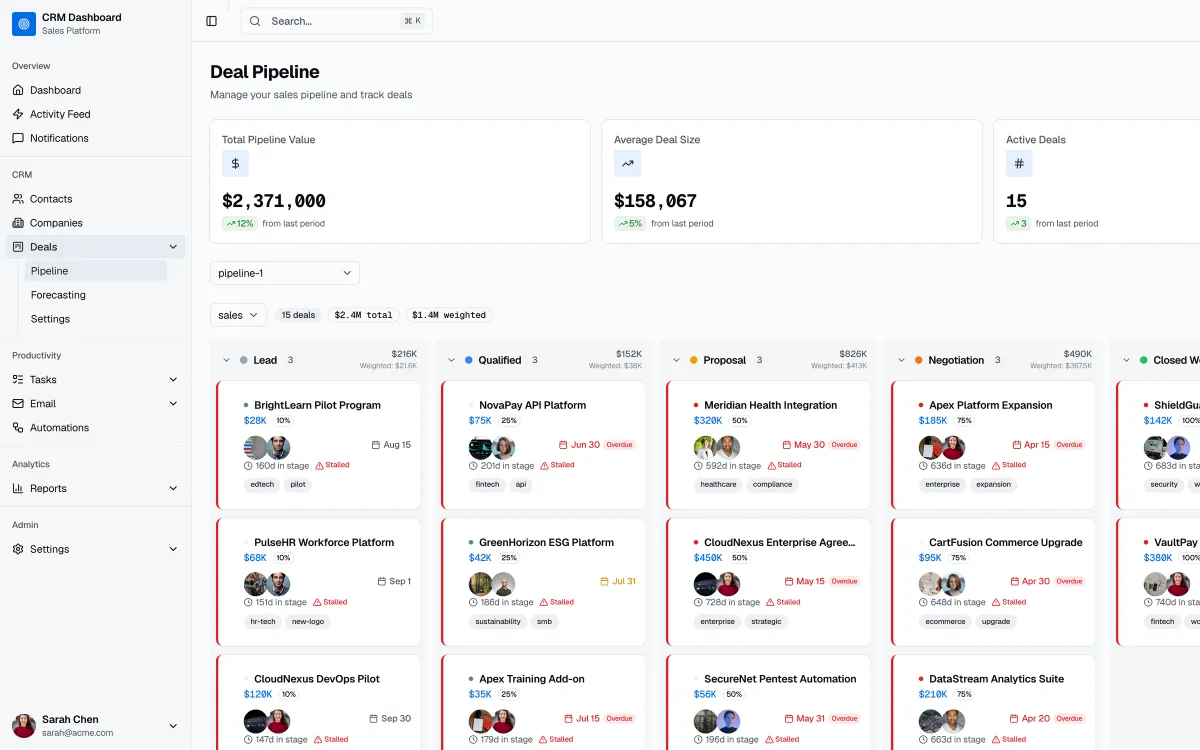
CRMs and LMSs swap the billing-heavy core for data-heavy screens. Our custom CRM development guide puts a from-scratch CRM at 640 to 800 hours, and our LMS cost comparison puts an LMS at 640 to 880.
What an Hour Costs, by Who Builds It
Three sources give rates you can check:
- US employees. The Bureau of Labor Statistics puts the median software developer salary at $135,980 a year (May 2025), about $65 an hour. The Stack Overflow 2025 Developer Survey lands in the same place for US full-stack developers: a median of $138,000 in total yearly pay. Both are salary only, before benefits, payroll taxes, equipment and management time.
- US agencies. Clutch's pricing pages, built from verified client reviews, show US software development firms mostly charging $50 to $99 an hour and US web development agencies $100 to $149.
- Offshore agencies. On the same Clutch data, firms in India, the Philippines, Ukraine and Mexico mostly charge $25 to $49 an hour for software development.
Put the hours and rates together:
| MVP | Hours | US in-house salary ($65/hr) | US agency ($50 to $149/hr) | Offshore agency ($25 to $49/hr) |
|---|---|---|---|---|
| SaaS with subscriptions | 580 to 1,060 | $37,700 to $68,900 | $29,000 to $157,900 | $14,500 to $51,900 |
| CRM | 640 to 800 | $41,600 to $52,000 | $32,000 to $119,200 | $16,000 to $39,200 |
| LMS | 640 to 880 | $41,600 to $57,200 | $32,000 to $131,100 | $16,000 to $43,100 |
| Any of the above, from an existing codebase | 160 to 240 | $10,400 to $15,600 | $8,000 to $35,800 | $4,000 to $11,800 |
The codebase row doesn't include the license for the starting code, and it assumes that code already covers auth, roles, the app shell and most of the data model, which is what a full-stack starter should do.
A cheaper hourly rate doesn't guarantee a cheaper MVP. More hours, more back-and-forth across time zones and rework after a misunderstood spec can erase the gap. The rate matters less than how clearly the work is defined.
Four Ways to Build It
1. Hire or use your own developers. Cheapest per hour if you already have them, and slowest if you don't: recruiting a senior engineer takes time, and one person is a single point of failure.
2. Freelancers. Flexible and often good value for well-defined work. You take on the project management, and you need someone technical to judge the output.
3. An agency, from scratch. A team with design, development and QA, and one company accountable for all of it. Expect the higher end of the table, especially with a discovery phase before any code.
4. Start from a codebase, then customize. Buy or reuse code that already handles the foundation, and spend your budget on the core feature set. This is how our team works: our full-stack apps cover a CRM, LMS, blog, kanban board and store on Next.js and Supabase, and we do done-for-you launches of those apps from $1,999 in 2 to 4 weeks, or custom builds from $2,999 quoted fixed-price after a scoping call.
No-code tools are a fifth option for testing demand before you write code. They're fast to start. The trade-off shows up later, when you hit the platform's limits and the migration to real code costs more than building it properly would have.
What an MVP Costs to Run
Build cost gets all the attention. Here's what a typical Next.js and Supabase stack costs each month once it's live, from each vendor's pricing page:
| Service | Plan | Monthly cost | What you get |
|---|---|---|---|
| Vercel | Pro | $20 | Hosting with $20 of included usage |
| Supabase | Pro | $25 | Postgres, auth and storage; 100,000 monthly active users, 100 GB file storage |
| Resend | Pro | $20 | 50,000 transactional emails (the free tier covers 3,000) |
| Total | $65 | Before payment fees and usage overages |
Payment fees scale with revenue. Stripe charges 2.9% + $0.30 per successful US card payment, and Stripe Billing adds 0.7% of subscription volume on its pay-as-you-go plan. A worked example: 100 customers paying $50 a month is $5,000 in revenue, $175 in card fees and $35 in Billing fees, so about $210 a month to Stripe.
Vercel's free Hobby plan is meant for personal projects, so budget for Pro once you're charging customers. Add video hosting if your product streams video, since that line grows with usage (our LMS guide has a worked example).
Maintenance Is the Cost Nobody Quotes
Software needs upkeep after launch: dependency updates, security patches, bug fixes, small requests from your first customers. Two of the agencies ranking for this topic estimate 15% to 25% of the build cost per year, without citing a source. We budget it in hours instead: about 5 hours a week, which is roughly $16,900 a year at the US median rate. That's our assumption, and a busy early product can need more.
Costs Founders Leave Out
- Design. An MVP built from a component library can look professional without a designer. A distinct brand and custom flows need design time, before development starts.
- Accessibility. Buyers in public sector, education and larger companies will ask. Building it in is far cheaper than retrofitting, and an accessibility audit before launch catches what automated tools miss.
- Security. Especially with Supabase, where your database policies are your permission layer. Our Supabase RLS guide covers the mistakes that let users make themselves admin.
- Legal. Terms of service, a privacy policy and, if you sell to businesses, a data processing agreement.
- Integrations. Each connection to a CRM, accounting tool or calendar is its own small project, with its own edge cases.
- Your own time. Reviewing demos, answering questions, testing and writing content. Budget a few hours a week, or the project stalls waiting on you.
How to Get a Fixed Quote You Can Hold a Team To
A fixed price only protects you if the scope behind it is written down. Before you ask for quotes:
- Write user stories, not features. "An admin can invite a teammate by email, and the invite expires after 7 days" is quotable. "Team management" isn't.
- Mark each story must-have or later. Anything marked later stays out of the MVP quote.
- Attach acceptance criteria. How will you know each story is done? This turns "it's finished" from an argument into a checklist.
- List every integration and third-party account, and who pays for each one.
- Ask how change requests are priced. You'll have them. Agree the process before the first one.
- Pay against milestones, each tied to working software you can click through.
- Get code ownership in writing. Your repository, your hosting accounts and your domain from day one, plus handover documentation and a warranty period for bugs.
Then compare quotes on scope as well as price. The cheapest quote often assumes the smallest version of each story.
When to Spend More, and When to Spend Less
Spend less when you're still testing whether anyone will pay. A starting codebase, a narrow feature set and a short timeline tell you more, faster, than a polished product nobody asked for.
Spend more when you already have paying customers or signed pilots waiting, when your buyers will ask about security and accessibility during procurement, or when the product handles money or sensitive data. Cutting corners there costs more to fix than to do right.
Either way, protect the budget for the months after launch. Your first customers will ask for things you didn't plan, and that's where an MVP turns into a product.
Frequently Asked Questions
How much does an MVP cost?
A focused SaaS, CRM or LMS MVP built from scratch takes roughly 580 to 1,060 engineering hours by our estimate. At the US median developer salary of about $65 an hour, that's $37,700 to $68,900 in salary. Through US agencies charging $50 to $149 an hour it's roughly $29,000 to $158,000, and offshore agencies at $25 to $49 an hour land around $14,500 to $52,000.
How long does it take to build an MVP?
A solo developer building from scratch needs roughly 15 to 27 weeks for 580 to 1,060 hours of work, and a small team can compress that. Starting from an existing codebase that already covers auth, roles and the data model can bring an MVP down to 4 to 6 weeks of customization.
How much does it cost to build a SaaS platform?
A SaaS MVP with sign-up, roles, subscription billing and a core feature set is about 580 to 1,060 hours of engineering, which is $37,700 to $68,900 at the US median developer salary. Running it costs about $65 a month for hosting, database and email on paid plans, plus roughly 3% to 4% of revenue in payment fees.
How much does it cost to build a web app?
It depends on scope more than on the word "app". A simple internal tool can be a few hundred hours, and a customer-facing product with accounts and payments is closer to 600 to 1,000. Multiply the hours by the rate of whoever builds it: about $65 an hour for a US employee's salary, $50 to $149 for a US agency, or $25 to $49 for an offshore agency.
How much does it cost to build a CRM?
A CRM MVP with contacts, companies, a deal pipeline, tasks and reports is about 640 to 800 hours from scratch, or $41,600 to $52,000 at the US median developer salary. Starting from an existing CRM codebase can cut that to 160 to 240 hours of customization.
Is it cheaper to build an MVP offshore?
Per hour, yes. Clutch data shows offshore firms mostly charging $25 to $49 an hour against $50 to $149 for US firms. The total can still come out closer than the rates suggest if the scope is vague, because unclear requirements cost more hours and rework. A written scope with acceptance criteria matters more than location.
Want it shipped without hiring a developer?
The build path above assumes you have engineers. If you don't, the team behind thefrontkit does done-for-you launches: we deploy the kit, apply your branding, and wire it to your stack. Fixed quotes, most builds ship in 2-4 weeks, from $1,999.