Mint Alternatives: 6 Personal Finance Options for 2026
Mint Alternatives: 6 Personal Finance Options for 2026
Intuit shut down Mint on March 23, 2024. Roughly 3.6 million users had to move. Two years later, the personal finance space looks completely different. The hosted alternatives all charge real money now (Mint was ad-supported and free). The build-it-yourself option is more realistic than it was a decade ago.
If you're still on the Credit Karma migration that Intuit pushed Mint users into, you've probably noticed it's not a finance tracker — it's a credit score upsell vehicle. If you're looking for a real Mint replacement, six options are worth comparing.
Or skip the build entirely: get the Finance Dashboard Kit
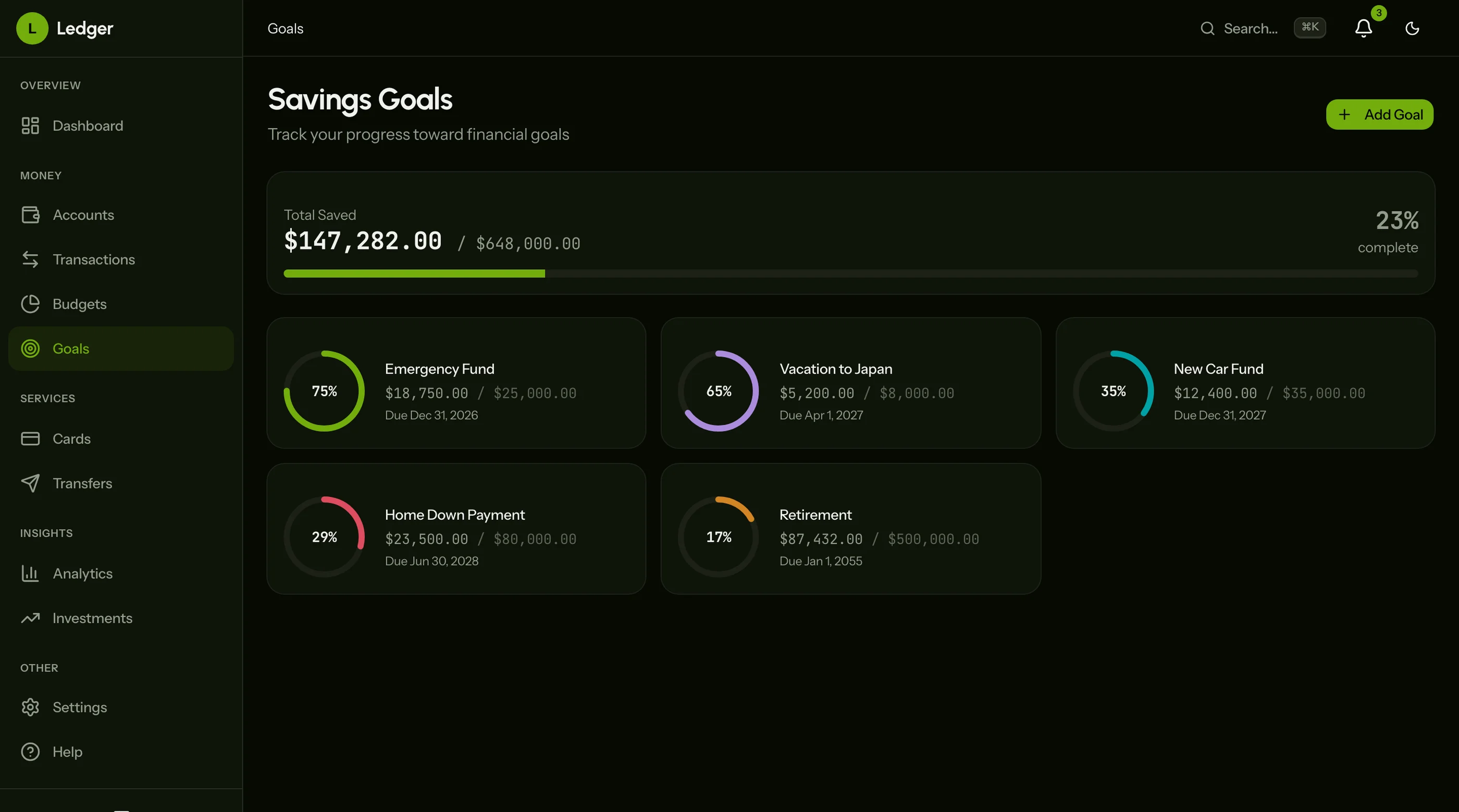
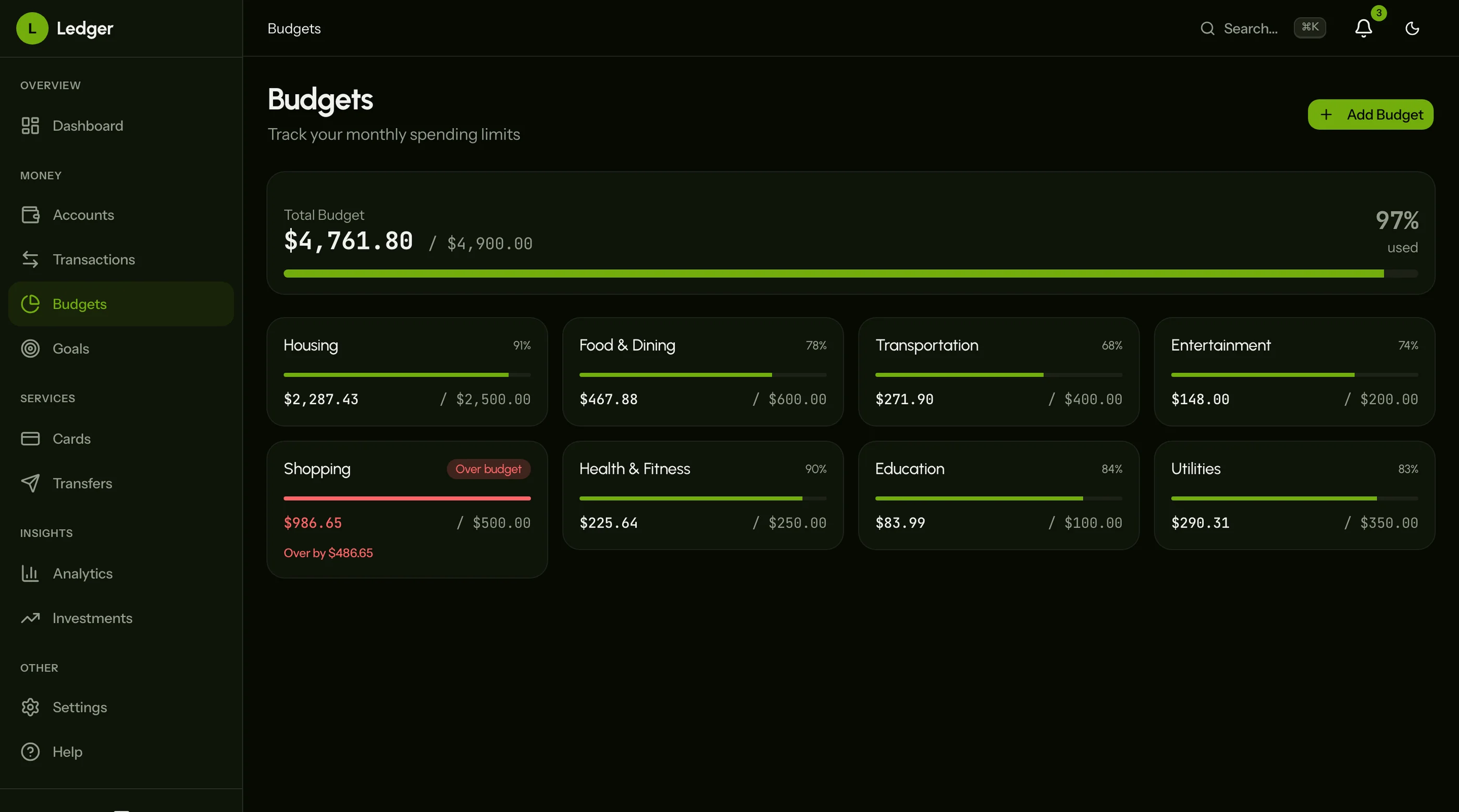
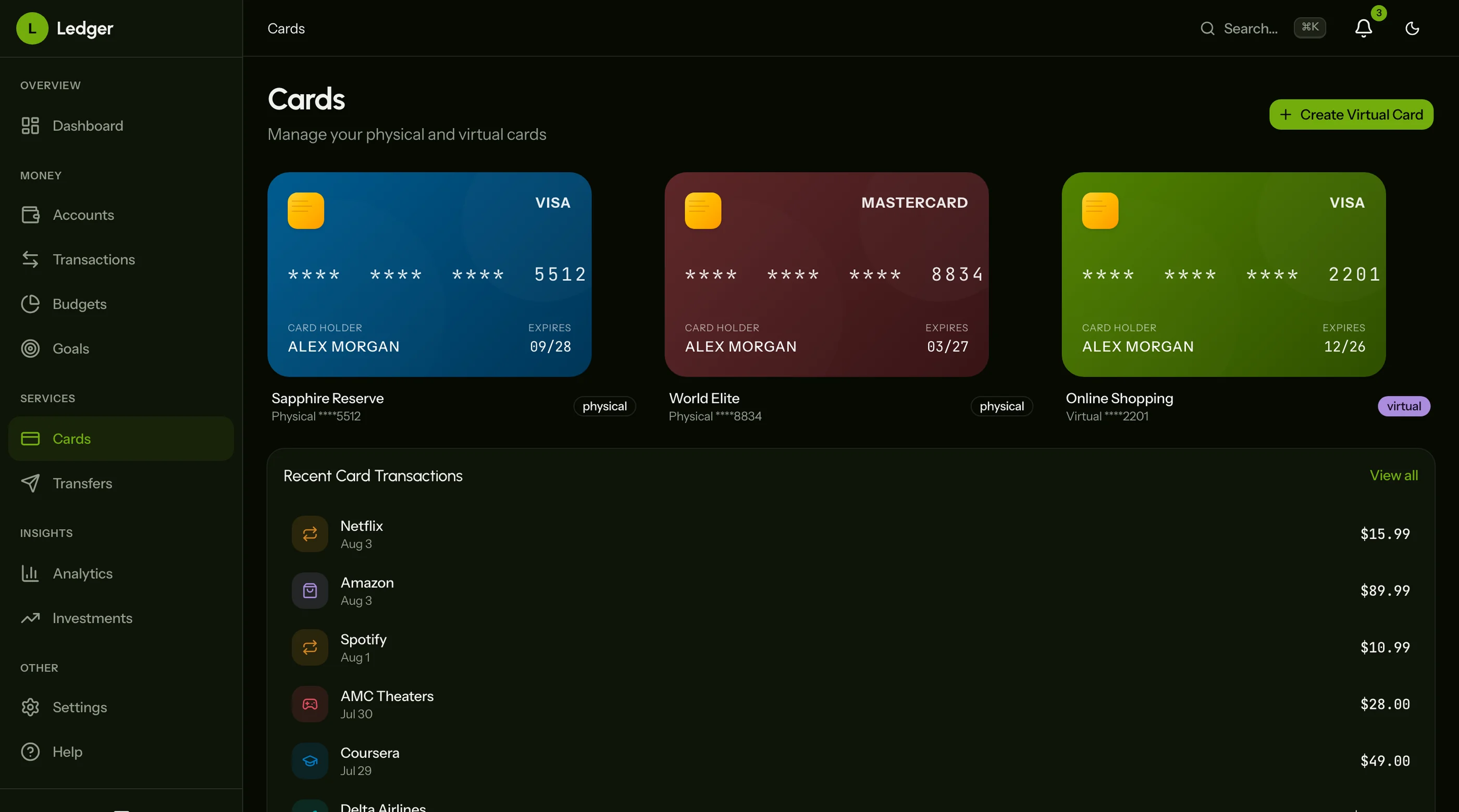
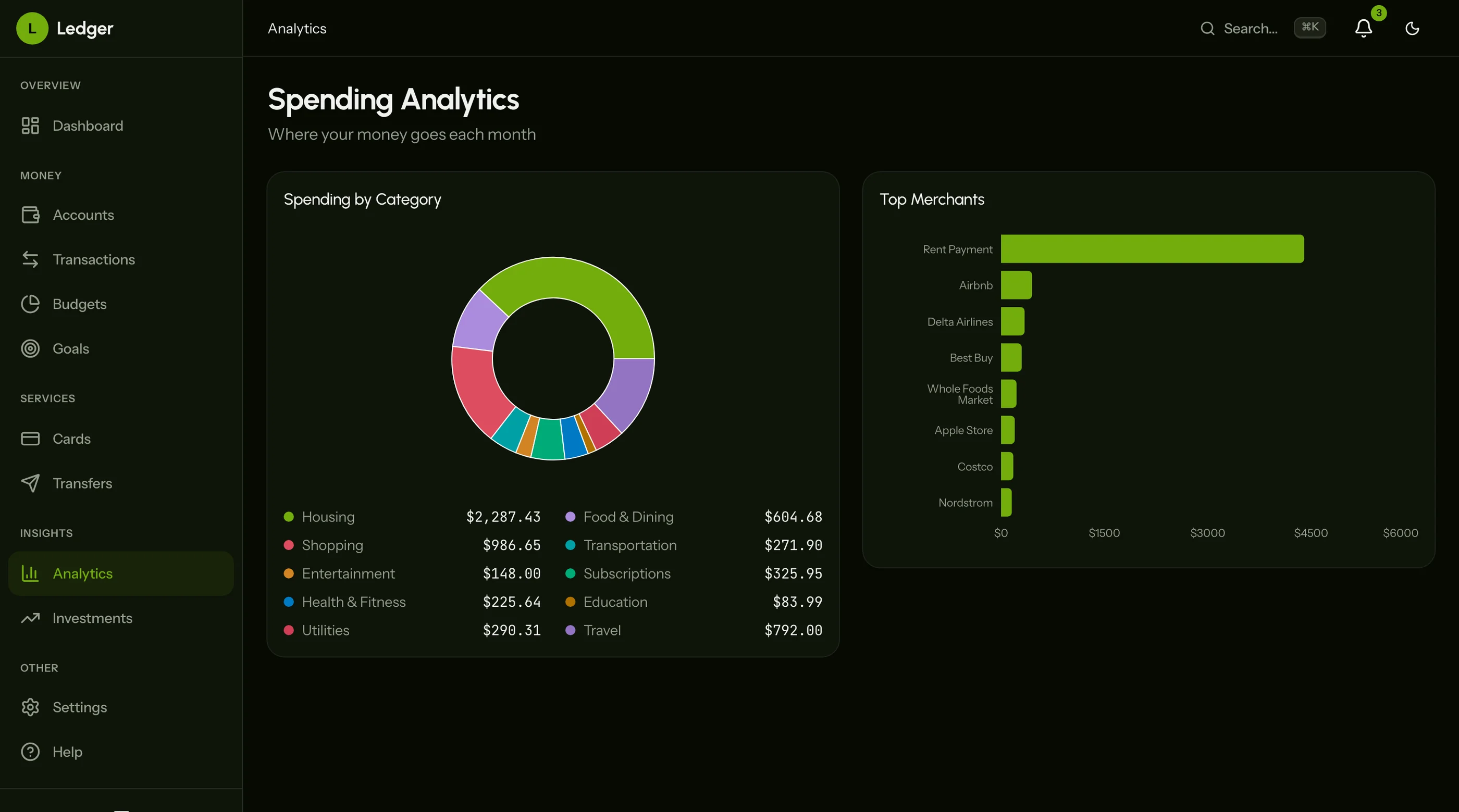
The Finance Dashboard Kit is shipped: 27 screens covering net worth, accounts, cards, investments, transactions, transfers, budgets, goals and analytics. Next.js + Tailwind + shadcn/ui. $131 solo, $199 team, $349 agency.
Get the Finance Dashboard Kit → or get every kit (18 total) for $749 via All UI Kits →
TL;DR: Quick Picks for 2026
| Need | Top pick | Price |
|---|---|---|
| Closest Mint replacement | Monarch Money | $14.99/mo or $99/yr |
| Best UI, most polish | Copilot | $13/mo or $95/yr |
| Envelope/zero-based budgeting | YNAB | $14.99/mo or $109/yr |
| Free with ads | Empower (Personal Capital) | Free |
| Spreadsheet-based | Tiller | $79/yr |
| Build your own in Next.js | thefrontkit Finance Dashboard Kit | $131+ |
What Mint Actually Did Well
Worth saying clearly: Mint had the broadest account connection coverage, did automatic transaction categorization passably well, and was free. Those three things together made it the default for 20+ years.
The case for the alternatives isn't that any single one matches all three. It's that the modern alternatives are better at what they focus on, even if they cost money.
What to Look For in a Mint Replacement
Three things, in order:
- Account connections that actually work. Pulled-in transactions should match your bank, missing fewer than 5% of transactions.
- Reasonable transaction categorization. Rules-based is fine. Auto-rules that you can edit are better.
- A budget view that matches how you think about money. This is the most personal — some people want categories, some want envelopes, some want forecasting.
Everything else is nice to have.
1. Monarch Money
The most-cited Mint replacement. Founded by ex-Mint engineers explicitly to be what Mint should have become.
Strengths:
- Plaid integration (12,000+ US institutions, solid coverage)
- Transaction list and categorization closest to Mint's UX
- Net worth tracking with historical chart
- Goals, bills, recurring detection
- Couple/family sharing built in (Mint never did this well)
- Mobile app is solid
Weaknesses:
- $14.99/month is real money for what was free on Mint
- Investment tracking is less detailed than Empower
- Budget categories are flat, no envelope-style
Best for: Former Mint users who want the closest direct migration. Couples managing shared finances together.
2. Copilot
The most-polished UI in the personal finance space. Built mobile-first, expanded to web.
Strengths:
- Best-in-class iOS app (this is the headline)
- Custom rule engine for transaction categorization
- Real-time alerts done well (not spammy)
- AI-assisted categorization that learns your preferences
- Investment tracking solid
Weaknesses:
- Originally Apple-only (web came later, still feels secondary)
- Plaid + MX backend, similar coverage to Monarch
- $13/month, slightly cheaper than Monarch
- Couples/family sharing weaker than Monarch
Best for: iOS-heavy users who care about app polish and want the best mobile experience. Solo users more than couples.
3. YNAB (You Need A Budget)
Envelope-style zero-based budgeting. A completely different philosophy from Mint. (Weighing YNAB itself? See our YNAB alternatives guide.)
Strengths:
- The methodology actually changes behavior (zero-based budgeting forces conscious decisions)
- Strong community and educational content
- Excellent for digging out of debt or building specific savings habits
- Browser-based, mobile apps, native syncing
Weaknesses:
- Learning curve is real — it's not "Mint with envelopes"
- $14.99/month (or $109/year), most expensive
- Connection issues with some banks are persistent
- Less focused on net worth tracking than other options
- Investment tracking is minimal
Best for: Users who want to actively budget, not passively track. People who've tried tracking and want to switch to a method that actually moves the needle.
4. Empower (formerly Personal Capital)
The "investment tracking with budgeting attached" option. Free.
Strengths:
- Free (monetizes via wealth-advisor upsell)
- Best-in-class investment portfolio tracking (cost basis, asset allocation, retirement projections)
- Net worth tracking with full account aggregation
- Detailed fee analyzer for retirement accounts
Weaknesses:
- Budgeting features are minimal and feel grafted on
- You will get sales calls from their advisor service (this is how it's free)
- Transaction categorization is mediocre
- UI feels enterprise, less consumer-friendly
Best for: Users with significant investments who want one place to see net worth and portfolio performance. Budget-light, investment-heavy.
5. Tiller
Spreadsheet-based. Pulls transactions from your accounts into Google Sheets or Excel automatically.
Strengths:
- Maximum customization (it's your spreadsheet, do anything)
- Privacy — data lives in your Google or Microsoft account
- Templates for budgets, net worth, debt payoff
- $79/year is the lowest-cost paid option
Weaknesses:
- You're maintaining a spreadsheet — that's the value and the cost
- No mobile app worth using
- Less guidance for people who don't already know what they want
- Connection coverage is good but slightly behind Monarch/Copilot
Best for: Spreadsheet power users who want their finance data in a format they fully control.
6. Build Your Own with the Finance Dashboard Kit
The build path is realistic for any developer with Plaid integration experience. The Finance Dashboard Kit gives you 27 screens of UI; you wire Plaid for account connections, categorize transactions, and own the rest.
What you get:
- Full data ownership (your finance data stays on your infrastructure)
- Custom budget logic that matches your specific approach
- Embed in a personal site, internal tool, or family finance hub
- No subscription, no upsell calls, no ads
- The math and UI for net worth, transactions, budgets, goals, bills, reports
What it costs:
- Plaid is $0.30-$0.60 per linked account per month (your only ongoing cost)
- ~3-4 weeks of engineering to wire Plaid + transaction normalization + categorization
- Ongoing maintenance when Plaid or banking APIs change
For developers who'd rather pay Plaid directly than pay Monarch a markup, this wins on cost and control.
For the technical walkthrough, see How to Build a Finance Dashboard in Next.js.
Recommendation by Profile
| You | Pick |
|---|---|
| Want Mint, almost exactly | Monarch Money |
| Want the best mobile UI | Copilot |
| Need to fix spending behavior | YNAB |
| Investment-heavy, budget-light | Empower (free) |
| Spreadsheet power user | Tiller |
| Developer who wants full control | Build with the Finance Dashboard Kit |
| Family/couple sharing finances | Monarch or build it |
| iOS-only single user | Copilot |
The Honest Take
Mint's shutdown was painful but the alternatives are mostly better. Monarch is the safest direct migration. Copilot has the best app. YNAB will actually change your spending if you stick with the methodology. Empower is fine if you're investment-focused and want free.
The build-it-yourself option is the right call if you have engineering chops and would rather pay $0/month forever (after the Plaid cost). Two years post-Mint, the kit + Plaid stack is a real Mint replacement that you own, not rent.
For the failure modes that hit most budget apps (whether hosted or built), see Why Most Budget Apps Fail After 90 Days.
Want it shipped without hiring a developer?
The build path above assumes you have engineers. If you don't, the team behind thefrontkit does done-for-you launches: we deploy the kit, apply your branding, and wire it to your stack. Fixed quotes, most builds ship in 2-4 weeks, from $1999.