Shopify Alternatives: 8 E-commerce Platforms for 2026
Shopify Alternatives: 8 Options Compared for 2026
Shopify Basic is $39/month. Grow is $105, Advanced is $399. Then the quiet costs stack: transaction fees up to 2% if you don't use Shopify Payments, apps at $10-50/month each to fill feature gaps, and a theme ecosystem where real customization means hiring a developer anyway. A store doing modest volume routinely lands at $200-500/month all-in.
The bigger issue for many merchants is control. Your storefront runs on Shopify's rails: their checkout rules, their app review, their platform fees, their terms. Eight alternatives worth comparing, from hosted competitors to open-source engines to owning the storefront outright.
For what a storefront build actually involves, see our How to Build an E-commerce Site in Next.js guide.
Or skip the build entirely: get the E-commerce Kit
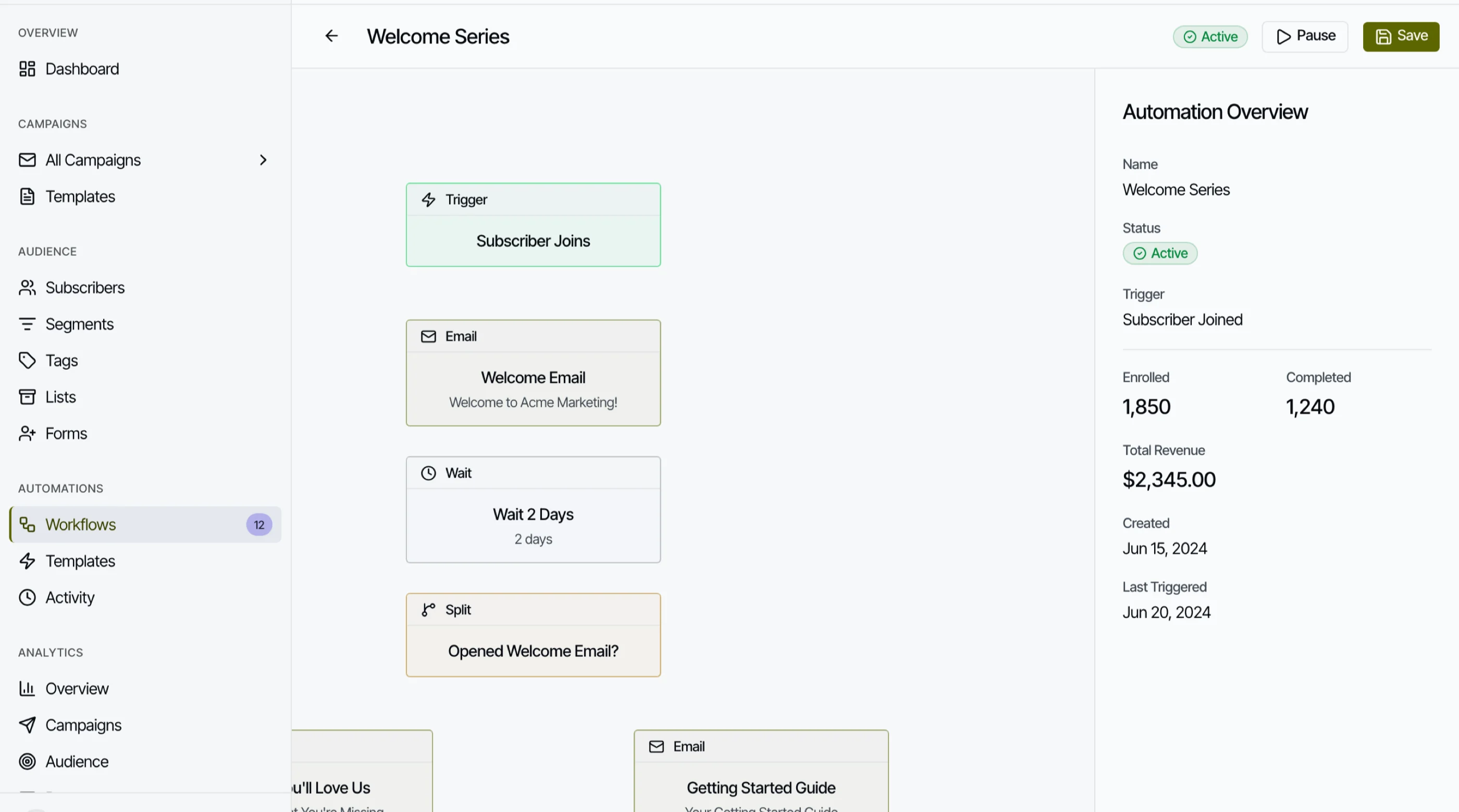
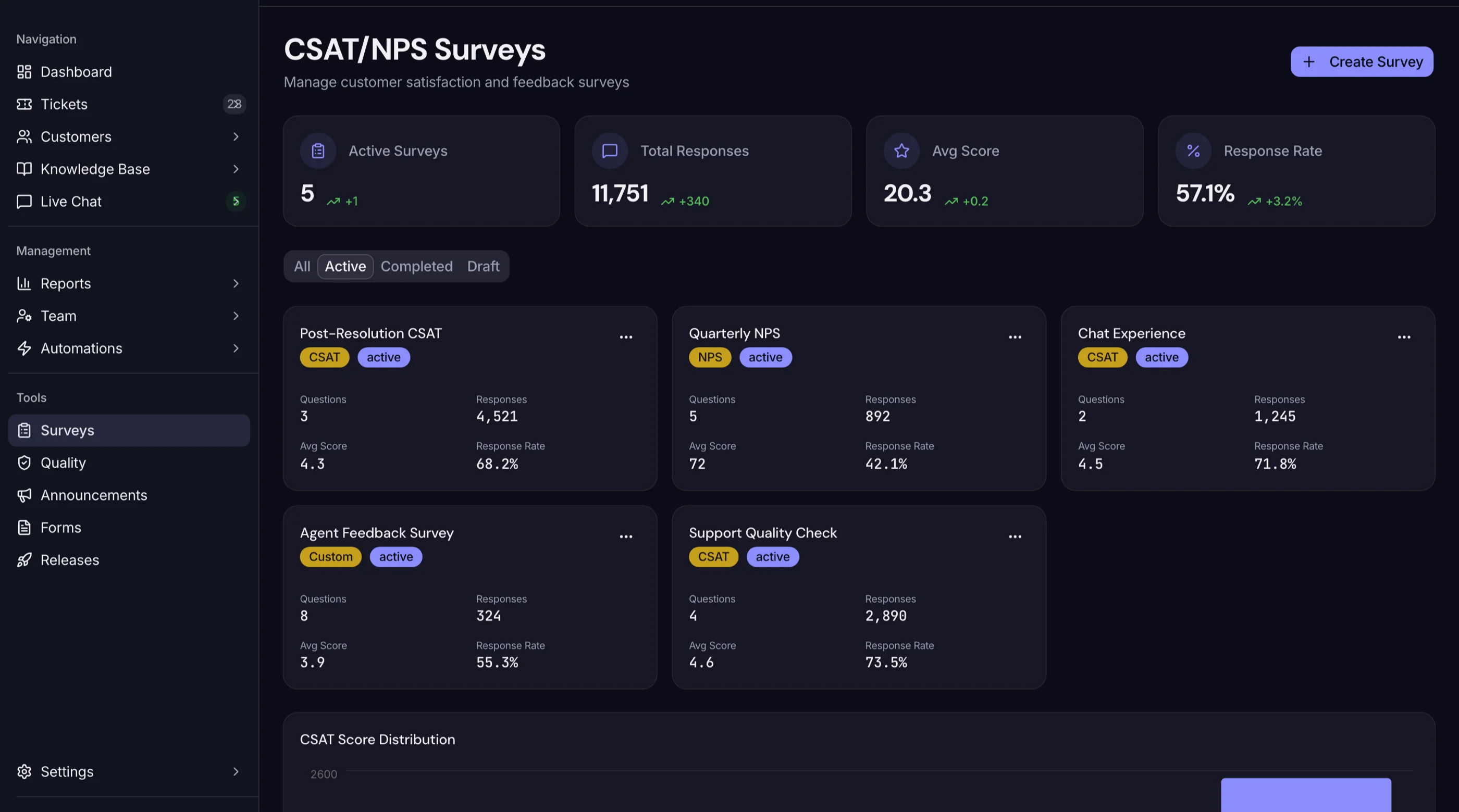
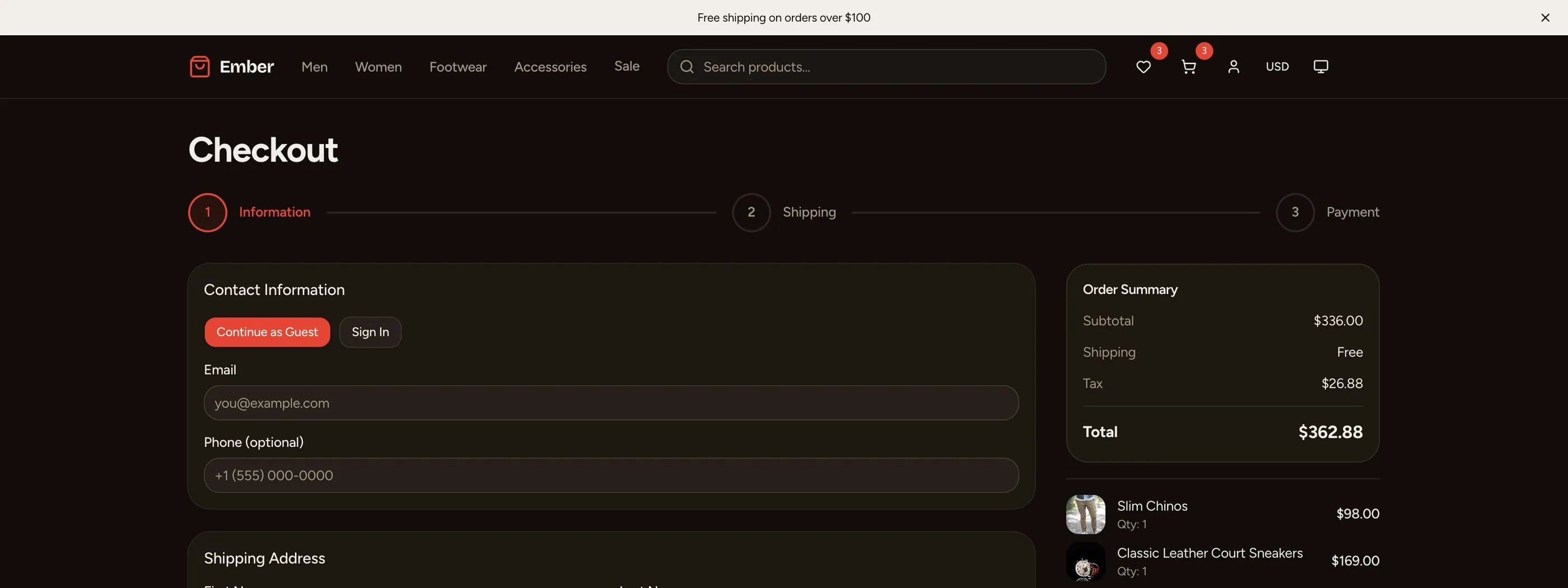
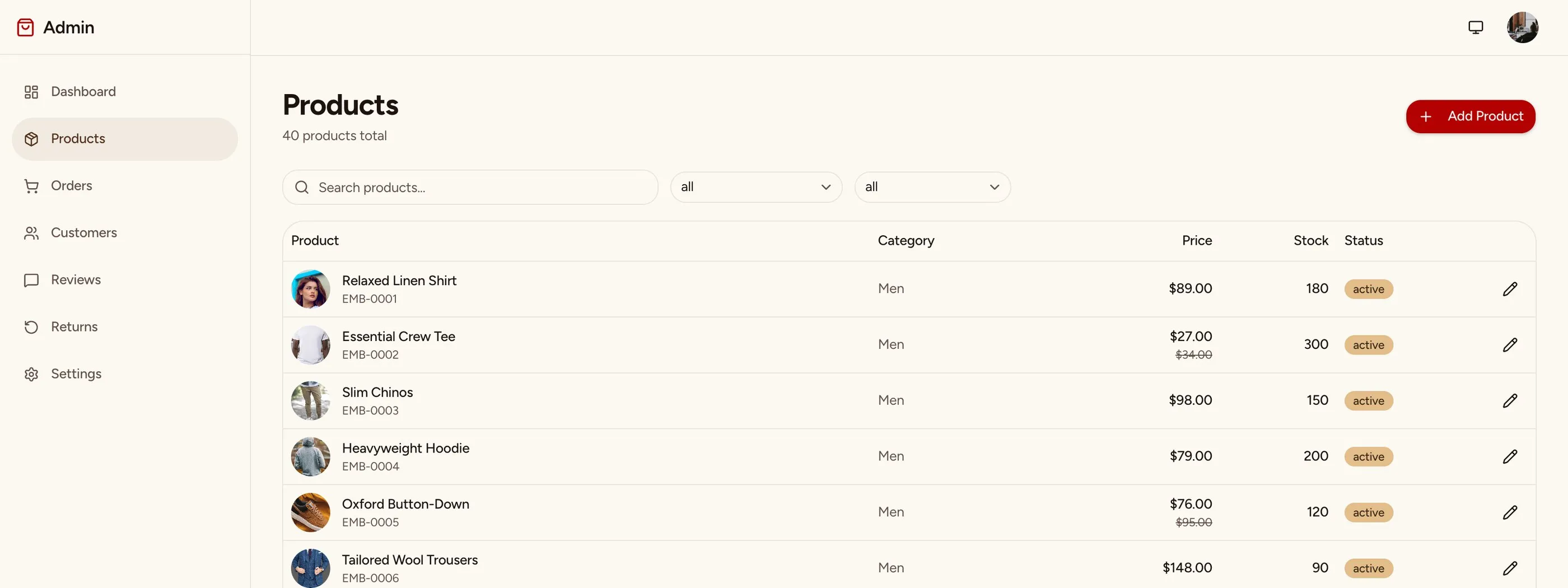
The E-commerce Kit is shipped: 56 screens covering storefront, product catalog, cart, multi-step checkout, customer accounts, and a full admin dashboard. Next.js + Tailwind + shadcn/ui, WCAG AA. $165 solo, $199 team, $349 agency. Try the live demo.
Get the E-commerce Kit → or get every kit (18 total) for $749 via All UI Kits →
TL;DR: Quick Picks for 2026
| Need | Top pick | Price |
|---|---|---|
| WordPress ecosystem, maximum plugins | WooCommerce | Free + hosting |
| Hosted, no transaction fees | BigCommerce | $29+/mo |
| Design-led small catalog | Squarespace Commerce | $28+/mo |
| Simplest all-in-one | Wix eCommerce | $29+/mo |
| Open-source headless engine | Medusa | Free (self-host) |
| Enterprise open-source, GraphQL | Saleor | Free (self-host) |
| Add a store to an existing site | Ecwid | Free tier, $25+/mo |
| Own the storefront outright | thefrontkit E-commerce Kit | $165+ one-time |
What Shopify Actually Does Well
Shopify is the most complete commerce operating system available. Payments, fraud protection, shipping labels, POS, and a checkout that converts better than most custom builds. The app store fills nearly any gap, and the platform simply doesn't go down on Black Friday. For non-technical merchants doing serious volume, it earns its cost.
The alternatives win on price, on ownership, or on flexibility Shopify's rails don't allow.
When to Leave Shopify
Three signals:
- App subscriptions passed the plan price. When $39/month becomes $300/month in apps, the platform is no longer cheap.
- You keep fighting the platform. Custom checkout logic, unusual product models, or B2B flows that Shopify's structure resists.
- The storefront is your product. If differentiated shopping experience is your moat, renting a themed template can't be the strategy.
1. WooCommerce
The most-used e-commerce platform on the internet, riding on WordPress.
Strengths:
- Free core, open source, runs on commodity WordPress hosting
- The largest plugin ecosystem in commerce, full stop
- Total control: your server, your database, your checkout
- Massive developer availability at every price point
Weaknesses:
- You own performance, security, and updates (and PHP)
- Plugin quality varies wildly; conflicts are a way of life
- Serious stores need serious hosting, eroding the price advantage
- The admin feels dated next to Shopify
Best for: Merchants already comfortable with WordPress who want ownership and infinite extensibility on a budget.
2. BigCommerce
The closest hosted competitor, with no transaction fees on any plan.
Strengths:
- Zero platform transaction fees regardless of payment gateway
- More built-in features than Shopify (fewer apps needed)
- Real B2B and multi-storefront capabilities
- Headless-friendly APIs
Weaknesses:
- Annual sales thresholds force plan upgrades automatically
- Theme ecosystem is smaller and less polished
- The admin has a steeper learning curve
Best for: Stores that resent Shopify's fee structure and app tax but still want fully hosted.
3. Squarespace Commerce
The design-led option for small, beautiful catalogs.
Strengths:
- The best-looking templates in hosted commerce, no designer needed
- Site, blog, and store in one subscription ($28-$52/month)
- Genuinely easy for non-technical owners
Weaknesses:
- Commerce depth is shallow: limited variants, basic shipping logic
- 3% transaction fees on the cheaper commerce-enabled plans
- Scales poorly past a few hundred SKUs
Best for: Makers, studios, and brands with small catalogs where presentation sells the product.
4. Wix eCommerce
The simplest path from nothing to selling.
Strengths:
- Fastest setup of anything on this list
- Drag-and-drop everything; AI-assisted store building
- No transaction fees on commerce plans
- Fine for small catalogs and local businesses
Weaknesses:
- Ceiling arrives quickly: limited APIs, weak B2B, basic inventory
- Migrating off Wix later is painful (closed platform)
- Performance trails purpose-built commerce platforms
Best for: First-time sellers who value simplicity over scale and don't expect to outgrow it soon.
5. Medusa
The open-source headless commerce engine for JavaScript teams.
Strengths:
- Free, open source, Node.js: your team probably already speaks the stack
- Modular architecture: swap payments, fulfillment, and search providers
- Real admin dashboard included, unlike most headless engines
- Active community and a growing plugin ecosystem
Weaknesses:
- You run the backend: database, hosting, upgrades, uptime
- Storefront is yours to build (starters exist, but it's real work)
- Younger than WooCommerce; fewer battle-tested integrations
Best for: Engineering teams building differentiated commerce who want full control without writing an order engine from scratch.
6. Saleor
The enterprise-grade open-source option, GraphQL-first.
Strengths:
- GraphQL API across the whole platform
- Multi-currency, multi-language, multi-channel out of the box
- Handles complex catalogs and international selling that simpler tools can't
- Open source with a cloud option
Weaknesses:
- Python/Django stack to operate
- Overkill for straightforward stores
- Smaller ecosystem; more build-it-yourself than WooCommerce
Best for: International or complex-catalog operations with engineering capacity, where Shopify Advanced still wasn't enough.
7. Ecwid
The add-a-store-to-anything widget.
Strengths:
- Embeds a store into any existing site (WordPress, Wix, plain HTML)
- Free tier for up to 5 products
- Sell across site, social, and marketplaces from one catalog
- Lightyears simpler than replatforming
Weaknesses:
- It's a widget, not a platform: limited depth everywhere
- Branding and checkout customization are constrained
- Serious stores outgrow it fast
Best for: Existing websites that need to start selling this week without rebuilding anything.
8. Build the Storefront with the E-commerce Kit
The build path fits two situations: the storefront experience is your differentiator, or you're pairing a custom frontend with a headless backend (Medusa, Saleor, or even Shopify's Storefront API) and don't want to spend three months on UI.
What this looks like:
- A backend owns products, orders, and payments (yours, or a headless engine)
- The E-commerce Kit provides the frontend: 56 screens covering storefront with filters and search, product detail with galleries and variants, cart with promo codes, multi-step checkout, customer accounts, and a complete admin dashboard
- WCAG AA accessible end to end, which matters as e-commerce ADA lawsuits keep climbing
- Next.js + Tailwind + shadcn/ui with a design token system: rebrand in minutes
$165 solo, $199 team, $349 agency, one-time. Try the live demo. For the roundup view of storefront starting points, see Best React E-commerce Templates.
Recommendation by Store Profile
| You | Pick |
|---|---|
| On WordPress already | WooCommerce |
| Want hosted, hate transaction fees | BigCommerce |
| Small catalog, design-led brand | Squarespace Commerce |
| First store, simplest path | Wix eCommerce |
| JS engineering team, custom needs | Medusa |
| International, complex catalog | Saleor |
| Existing site, need a store fast | Ecwid |
| Storefront is the differentiator | Build with the E-commerce Kit |
Pricing at a Glance (Annual, Typical Small Store)
| Platform | Typical plan | ~Annual cost |
|---|---|---|
| Shopify (Basic + typical apps) | $39/mo + ~$100/mo apps | ~$1,700 |
| WooCommerce | Free + hosting | ~$300-600 |
| BigCommerce (Plus) | $79/mo | $948 |
| Squarespace (Commerce Basic) | $28/mo | $336 |
| Wix (Business) | $29/mo | $348 |
| Medusa (self-hosted) | Free | Hosting (~$300-900) |
| Saleor (self-hosted) | Free | Hosting (~$600-1,200) |
| Ecwid (Business) | $25/mo | $300 |
| E-commerce Kit + headless backend | $165-349 once | $165-349 + hosting |
Directional numbers. The hidden variable on every hosted platform is apps and fees; the hidden variable on every self-hosted option is your time.
Frequently Asked Questions
What is the best free alternative to Shopify?
WooCommerce, if free means software cost: the core is free and runs on cheap WordPress hosting. Medusa is free for teams that want a modern headless engine. Nothing is free once you count hosting and time, so compare total cost, not sticker price.
What is the best open-source alternative to Shopify?
WooCommerce for the ecosystem and WordPress familiarity. Medusa for JavaScript teams building custom experiences. Saleor for enterprise complexity (multi-currency, multi-channel, GraphQL). All three are genuinely production-grade.
Which Shopify alternative has no transaction fees?
BigCommerce charges no platform transaction fees on any plan with any gateway. Wix also skips them on commerce plans. Self-hosted options (WooCommerce, Medusa, Saleor) only ever pay the payment processor's cut.
Can I keep Shopify as the backend and build my own storefront?
Yes. Shopify's Storefront API exists exactly for this: Shopify keeps handling products, orders, and payments while you own the frontend experience. Pair it with the E-commerce Kit for the UI layer, and you skip both the theme limitations and the from-scratch build.
How hard is it to migrate off Shopify?
Products and customers export cleanly via CSV; most platforms ship Shopify importers. Order history, app data, and theme customizations don't transfer. The riskiest part is SEO: map every product URL with 301 redirects before switching DNS, or watch rankings evaporate.
The Honest Take
Shopify remains the right default for non-technical merchants doing real volume. The alternatives each win a narrower case: WooCommerce on ecosystem and price, BigCommerce on fees, Squarespace on design, Wix on simplicity, Medusa and Saleor on engineering control, Ecwid on retrofit speed.
The build path is for stores where the shopping experience is the moat. Renting the same theme as ten thousand other stores can't differentiate you; owning the storefront can.
Want it shipped without hiring a developer?
The build path above assumes you have engineers. If you don't, the team behind thefrontkit does done-for-you launches: we deploy the kit, apply your branding, and wire it to your stack. Fixed quotes, most builds ship in 2-4 weeks, from $1999.